September 12, 2024
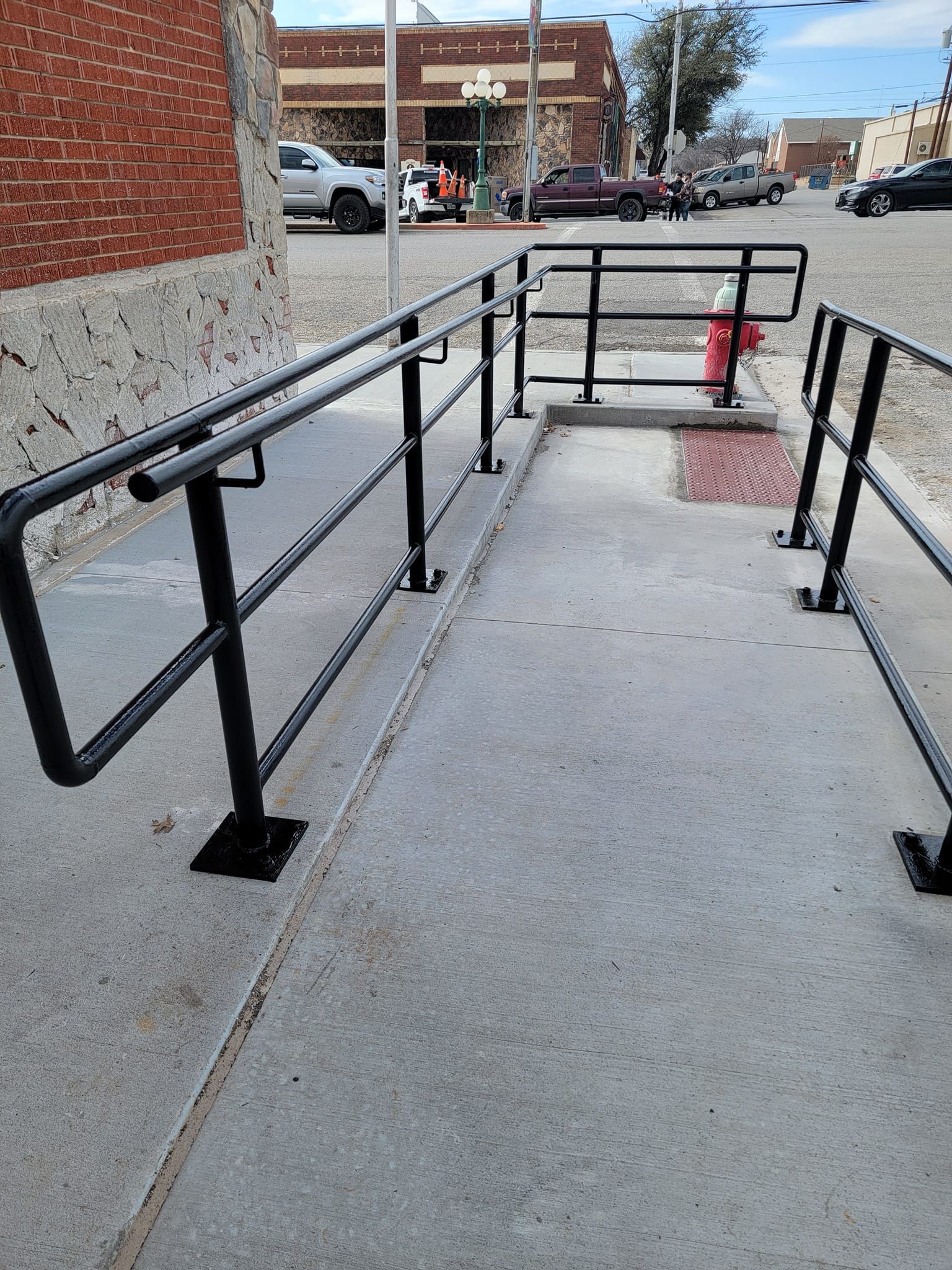
In the pursuit of creating spaces that are safe and accessible to everyone, handrails play a vital role. They are more than just support structures; they are key elements in ensuring that individuals of all abilities can navigate environments with confidence and security. Whether in homes, public spaces, or commercial buildings, handrails contribute significantly to accessibility, making them indispensable in modern design and construction. Handrails and the Importance of Accessibility Accessibility is a fundamental aspect of inclusive design, aimed at making spaces usable by people of all ages and abilities. Handrails are essential components in achieving this goal. For individuals with mobility challenges, such as the elderly or those with disabilities, handrails provide the support needed to safely navigate stairs, ramps, and other elevated areas. Without handrails, these individuals face increased risks of falls and injuries, making many spaces difficult or even impossible to access. In public spaces and commercial buildings, handrails are not just a courtesy—they are often required by law. Regulations like the Americans with Disabilities Act (ADA) mandate the installation of handrails in specific areas to ensure that everyone, regardless of their physical abilities, can access and use the facilities safely. Compliance with these regulations is not only a legal obligation but also a reflection of a commitment to creating inclusive environments. Enhancing Safety Through Design The design and placement of handrails are crucial in enhancing safety and accessibility. Properly designed handrails provide a stable and comfortable grip, allowing users to maintain their balance and reduce the risk of falls. For stairs and ramps, handrails should be installed at an appropriate height and extend beyond the last step to offer continuous support. In addition to standard handrails, there are specialized designs that cater to specific needs. For example, double-height handrails are often installed in spaces used by both adults and children, ensuring that people of different heights can access the support they need. Handrails with tactile elements, such as textured grips or Braille indicators, are also important for individuals with visual impairments, helping them navigate spaces safely. The materials used in handrail construction also play a role in accessibility. For instance, handrails made from non-slip materials or those with a matte finish can prevent slips, especially in wet or humid conditions. Rounded or ergonomically shaped handrails provide a more comfortable and secure grip, which is particularly important for individuals with limited hand strength or dexterity. Handrails in Various Environments Handrails are essential in a variety of environments, each with unique requirements for accessibility and safety. Residential Spaces: In homes, handrails are often installed along staircases, in bathrooms, and on porches or decks. For elderly residents or those with mobility issues, handrails provide the necessary support to move safely within their homes. In bathrooms, grab bars—a type of handrail—are critical for preventing slips and falls in wet areas. Commercial Buildings: In offices, shopping centers, and other commercial spaces, handrails are vital for ensuring that employees, customers, and visitors can navigate the premises safely. Compliance with accessibility standards is particularly important in these settings to avoid legal issues and ensure that the facility is welcoming to all. Public Spaces: Parks, schools, and transportation hubs all require handrails to make them accessible to the public. In these environments, handrails often need to withstand heavy use and exposure to the elements, making durability and maintenance key considerations. Healthcare Facilities: In hospitals and clinics, handrails are crucial for patient safety. They are commonly found in corridors, stairwells, and patient rooms, providing support for individuals who are recovering from surgery, dealing with chronic conditions, or managing temporary mobility issues. Conclusion Handrails are fundamental to creating accessible, safe, and inclusive spaces for all. Whether in residential, commercial, or public settings, they provide essential support that allows individuals of all abilities to navigate their environments with confidence. By investing in well-designed, compliant handrails, you not only enhance the safety and accessibility of your space but also demonstrate a commitment to inclusivity. At Dallas Handrails, we understand the importance of accessibility and offer a wide range of handrail solutions that cater to the diverse needs of our clients, ensuring that every space is safe and welcoming for everyone.